Brač island guide: Bol, Zlatni Rat, Blaca, Pučišća and the best bays
Everything you need to know about Brač: how to get there from Split, Supetar, Bol and Zlatni Rat, Vidova Gora, the Blaca hermitage, Pučišća, Milna, the best beaches and the quiet coves of the south coast.
By Bokun Charter
9 min read
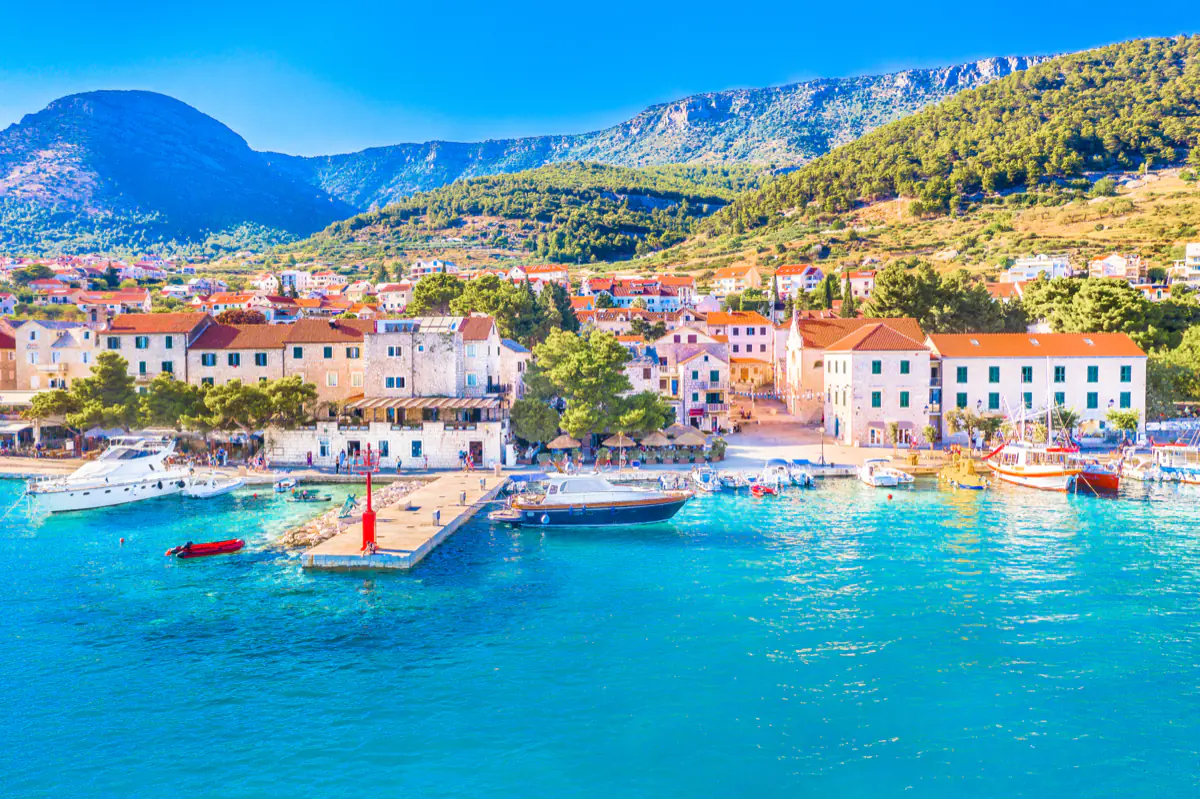
Brač is the island most people see from the ferry deck on their way somewhere else – and it deserves far more than that. The largest island in Dalmatia is home to Zlatni Rat, the most photographed beach in Croatia, but also to white stone harbour towns, a hermitage built into a cliff, the highest peak of any Adriatic island and dozens of turquoise coves that are easiest to reach by boat.
This guide covers everything you need to plan a visit: how to get to Brač from Split, the best towns and beaches, Bol and Zlatni Rat, the Blaca hermitage, Pučišća, Milna and the quiet south coast, plus where to stay and how Brač compares with Hvar. The photos marked as ours were taken on our own boat days around the island.
Brač at a glance
| Where | Central Dalmatia, directly opposite Split |
|---|---|
| Size | The largest island in Dalmatia and the third-largest in Croatia |
| Highest point | Vidova Gora, 778 m – the highest peak of any Adriatic island |
| Main towns | Supetar, Bol, Milna, Pučišća, Postira, Sutivan |
| Famous for | Zlatni Rat beach, white Brač stone, olive oil, lamb |
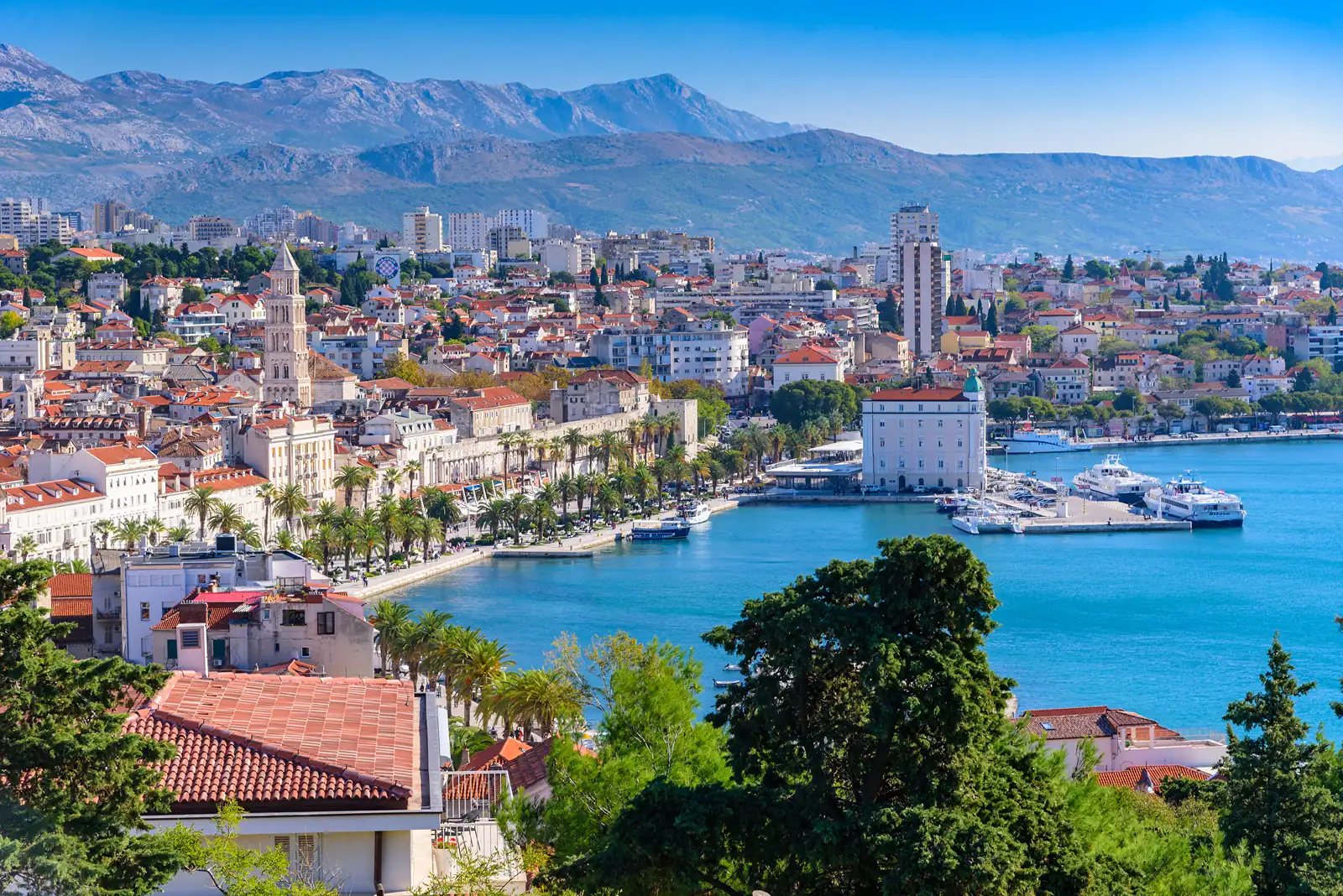
| From Split | About 50 minutes by car ferry to Supetar; under an hour by private boat to most of the island |
| Best time | June and September; May and October for walking and sightseeing |
How to get to Brač
Brač is the easiest of the big islands to reach from Split. There are four ways to get there:
Car ferry Split – Supetar: the main connection, with many crossings a day all year. The crossing takes about 50 minutes, and in summer you should arrive early with a car.
Catamaran from Split: passenger catamarans link Split with Bol and Milna. They are quicker to the south and west of the island but run less often, especially outside summer.
Brač Airport: a small airport above Bol with seasonal flights.
Private boat: the most flexible way. From Split, the north coast of Brač is only about half an hour away by motor yacht, and Bol and the south coast about an hour – with no timetable and no need to plan around the ferry.
If you only have one day, a private boat lets you combine Zlatni Rat, a swim in the coves of the south coast and lunch in Milna or Pučišća, places that would take a whole day to connect by car and ferry.
Supetar: the gateway to Brač
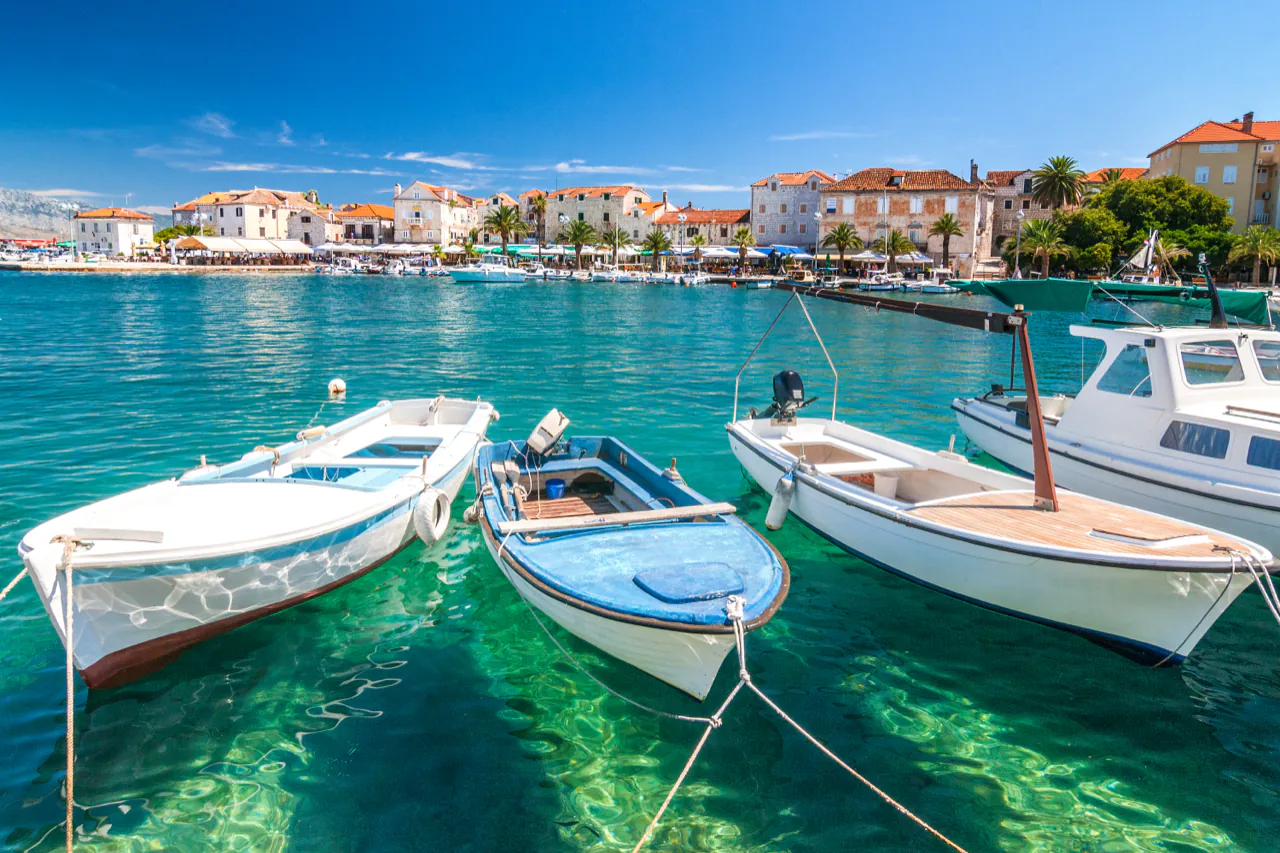
Most visitors arrive in Supetar, the island's largest town and its main ferry port. It is a friendly, practical base with a long promenade, pebble beaches within walking distance of the centre and a good choice of restaurants and apartments. Look out for the cemetery on the peninsula west of the harbour, with its striking stone mausoleums carved by local sculptors.
A short drive west, the small village of Sutivan is a quieter alternative, with a pretty harbour and stone houses that run right down to the water.
Bol and the Dominican monastery
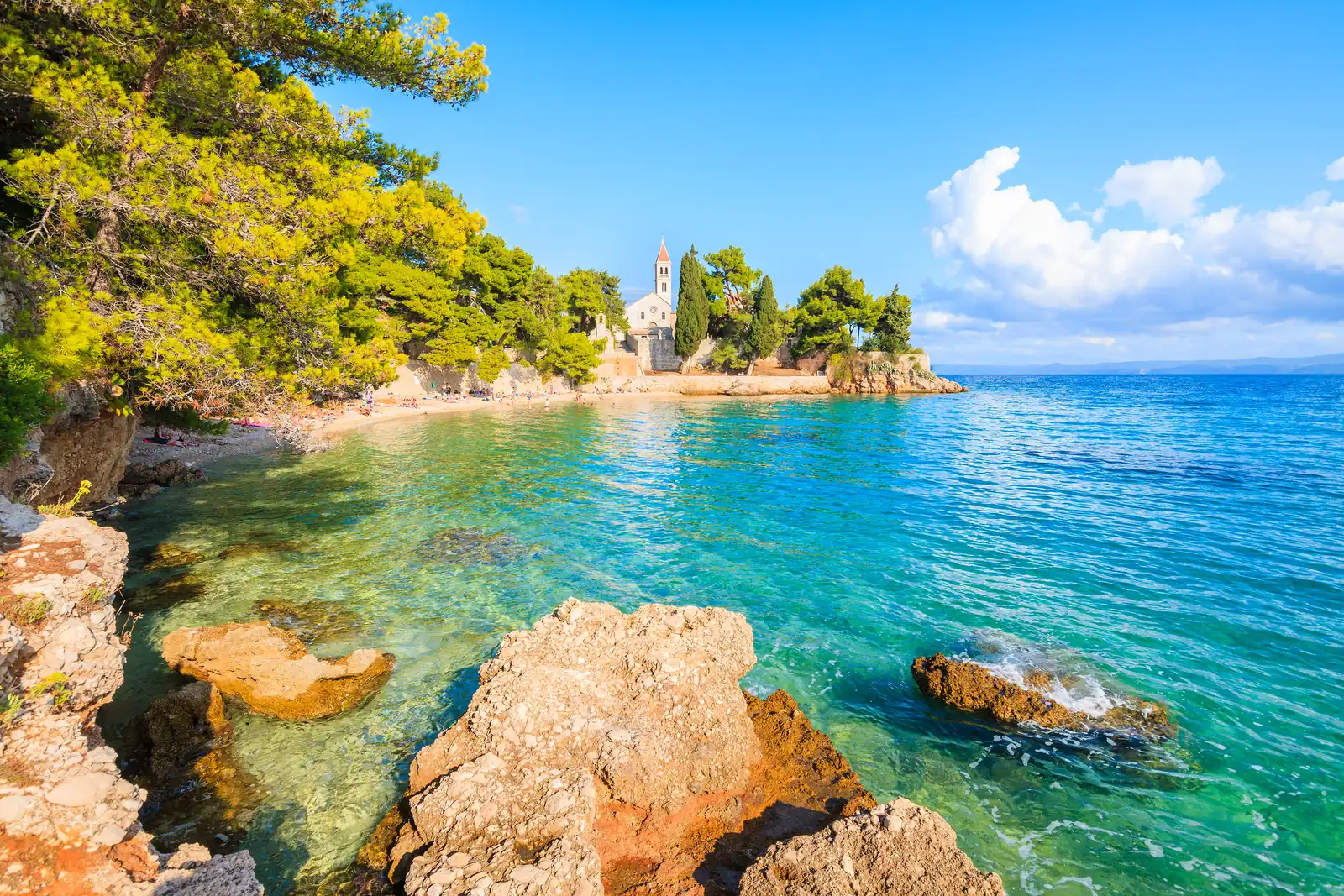
On the south coast, below the steep slopes of Vidova Gora, Bol is the most famous town on Brač – and the most lively in summer. Its old harbour is lined with cafés and fishing boats, and a pine-shaded promenade leads west to Zlatni Rat.
At the eastern end of town, the Dominican monastery stands on a small headland above the sea. Founded in the 15th century, it has a small museum and an altarpiece attributed to Tintoretto, and the beaches below it, such as Martinica, are some of the calmest in Bol.
Bol is also the place to taste Brač wine: the Stina winery on the waterfront produces Plavac Mali and Pošip from the vineyards above town, and our Brač & Hvar wine tasting tour stops there.
Zlatni Rat: Croatia's most famous beach
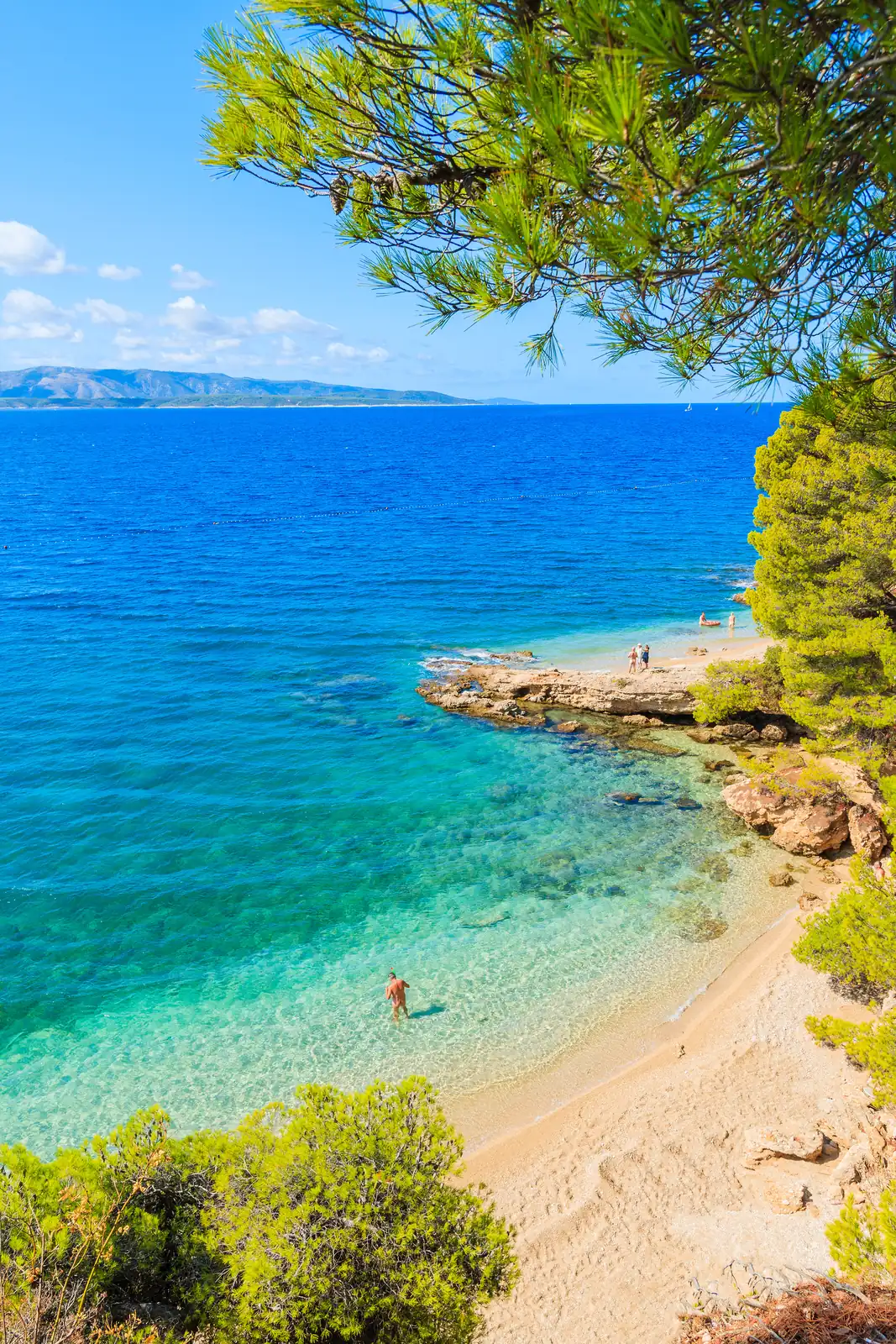
Zlatni Rat – the Golden Horn – is a long spit of fine pebbles that reaches out into the Hvar Channel, with pine forest at its base and clear water on both sides. Its tip changes shape with the wind and the currents, and on most summer afternoons the maestral breeze turns the water off its western side into one of the best windsurfing spots in the Adriatic.
It is a 20-minute walk from Bol along the promenade, and in July and August it fills up by late morning. Arriving by boat early in the day, or late in the afternoon when the day-trippers leave, is the best way to see it at its most beautiful.
Vidova Gora: the highest view in the Adriatic
Rising 778 metres directly above Bol, Vidova Gora is the highest point of any Adriatic island. From the summit, the whole of Zlatni Rat lies below you, with Hvar, the Pakleni Islands and, on a clear day, Vis and the mountains of the mainland beyond. A road leads almost to the top from the interior of the island, and a steep hiking trail climbs up from Bol for those with energy to spare.
The Blaca hermitage
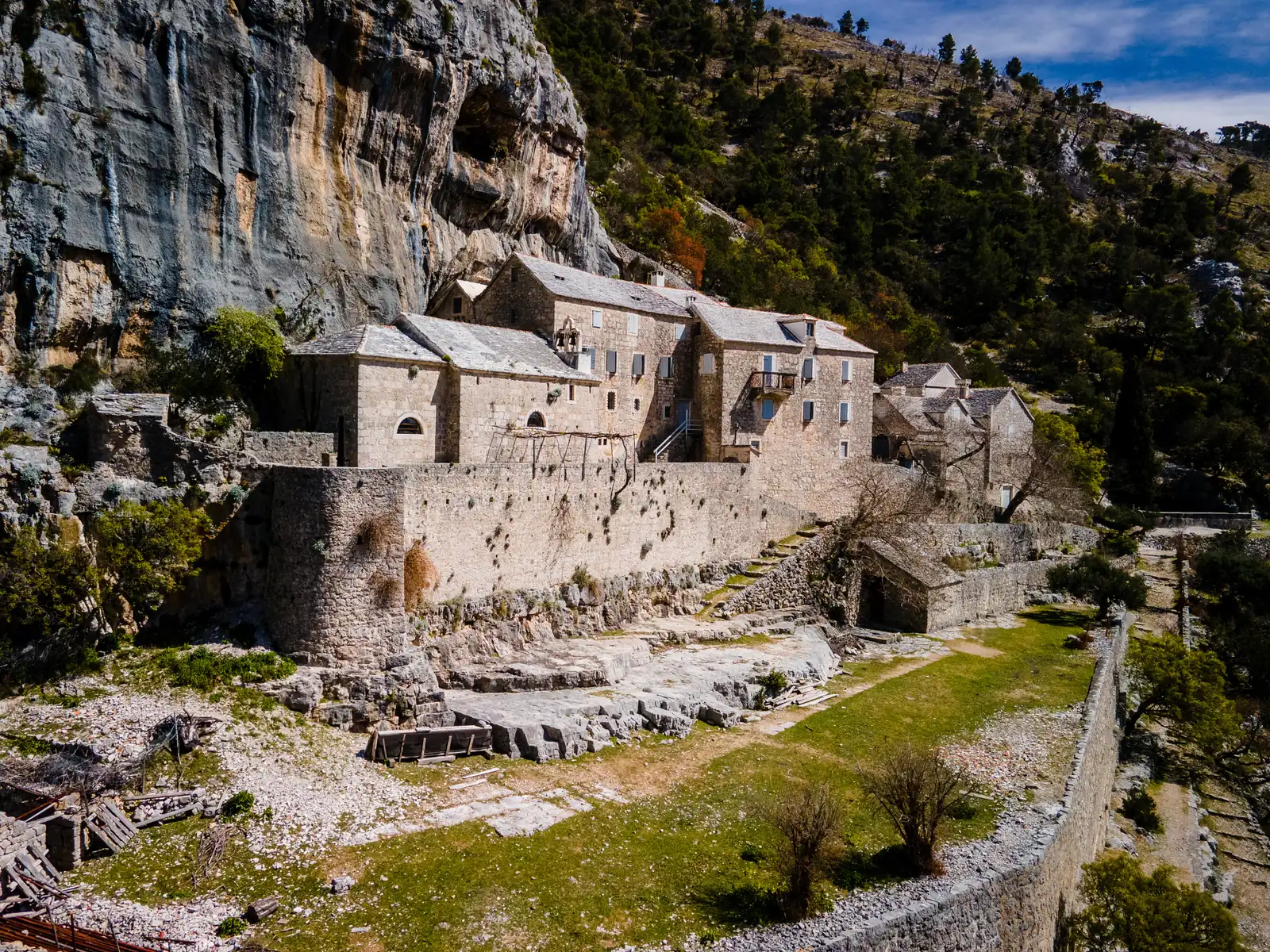
Hidden in a remote valley on the south coast, the Blaca hermitage is one of the most remarkable places in Croatia. It was founded in the 16th century by priests fleeing the Ottoman advance, who built a monastery against the cliff and over the centuries turned it into a self-sufficient community with farms, a school, a library and even an astronomical observatory.
Today Blaca is a museum, and getting there is part of the experience: there is no road to the door. You walk down a stony path from the end of the road above, or arrive by boat in Blaca bay and climb up through the valley. Wear proper shoes, bring water and check the opening times before you go.
Pučišća: the white stone town
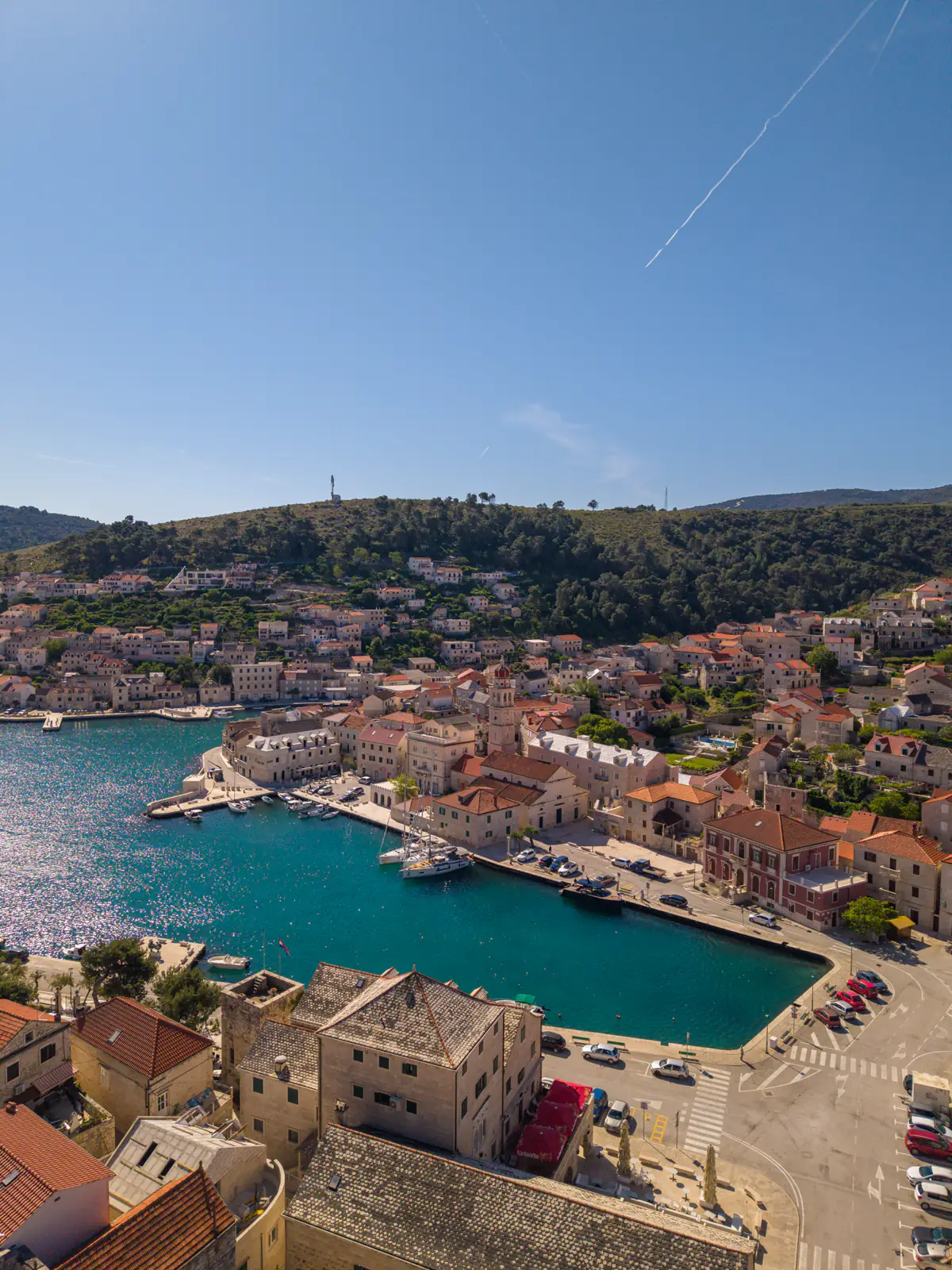
On the north coast, at the end of a deep, narrow inlet, Pučišća is for many visitors the most beautiful town on Brač. Almost every house is built of the island's famous white stone, quarried in the hills around the town for more than two thousand years – the same stone used in Diocletian's Palace in Split. Pučišća still has a stonemasonry school, founded in 1909, where students learn to carve by hand.
It is one of our favourite stops on a boat day. Arriving from the sea, the town opens up slowly as you enter the inlet, and you moor right in front of the cafés and the church.
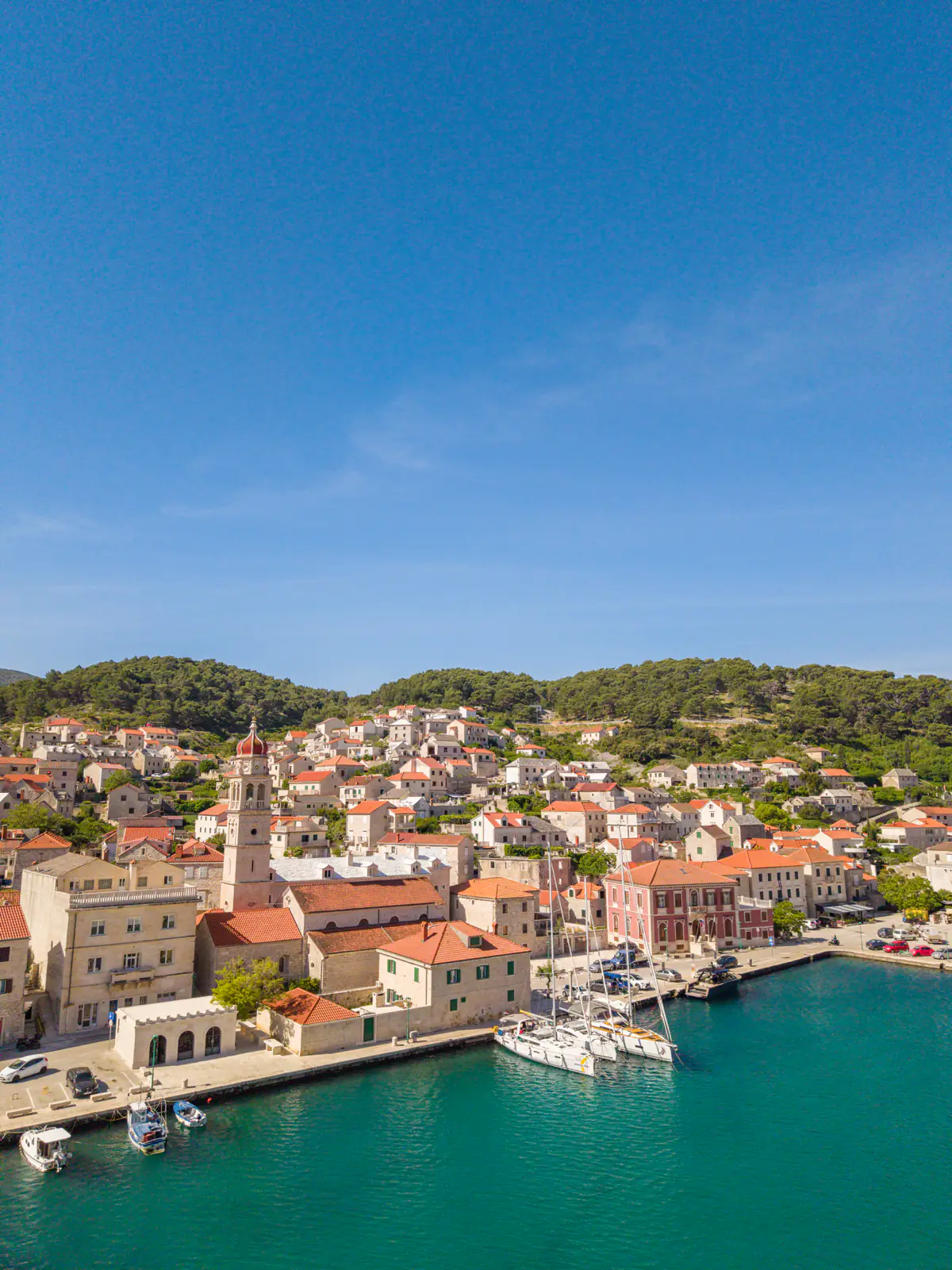
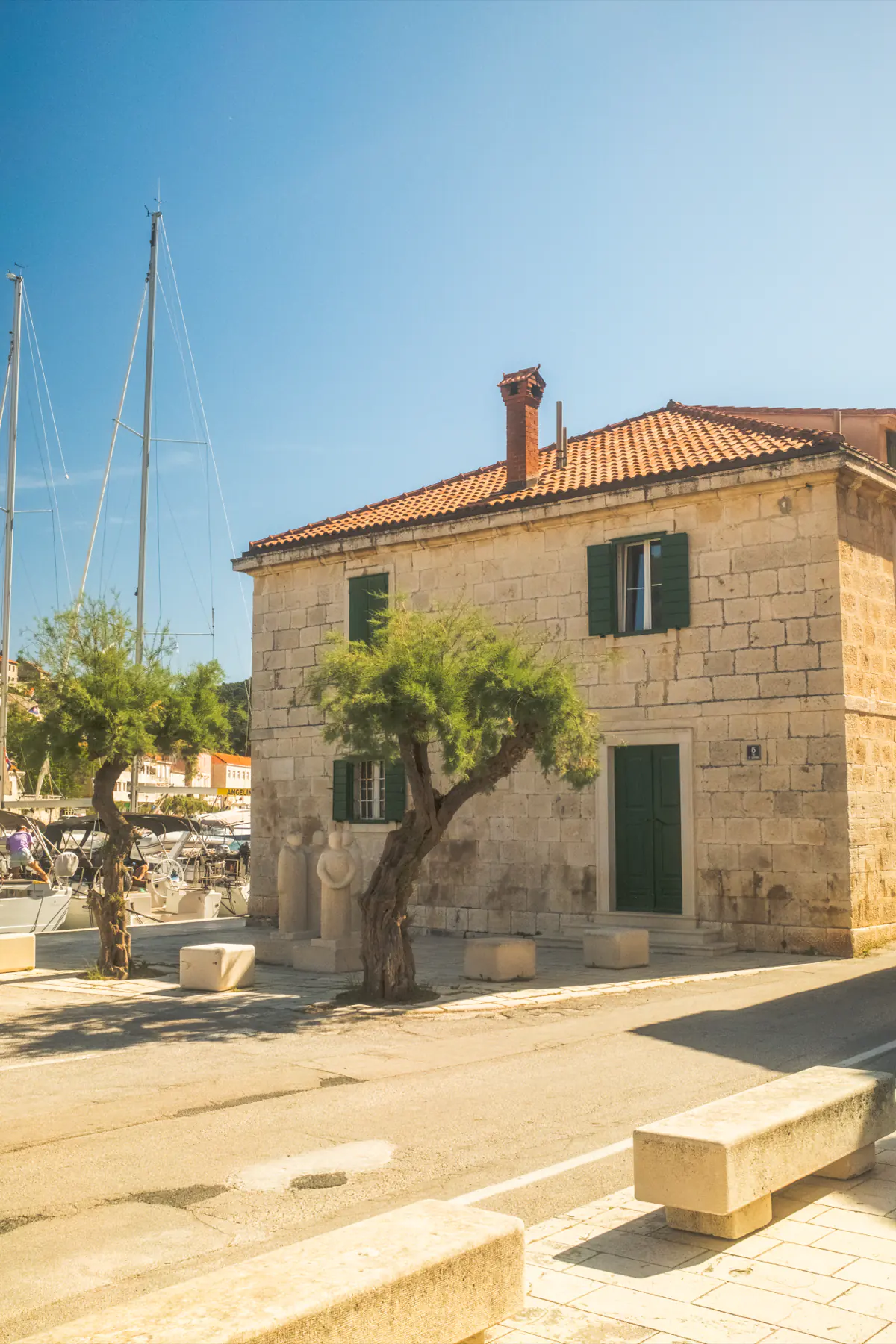
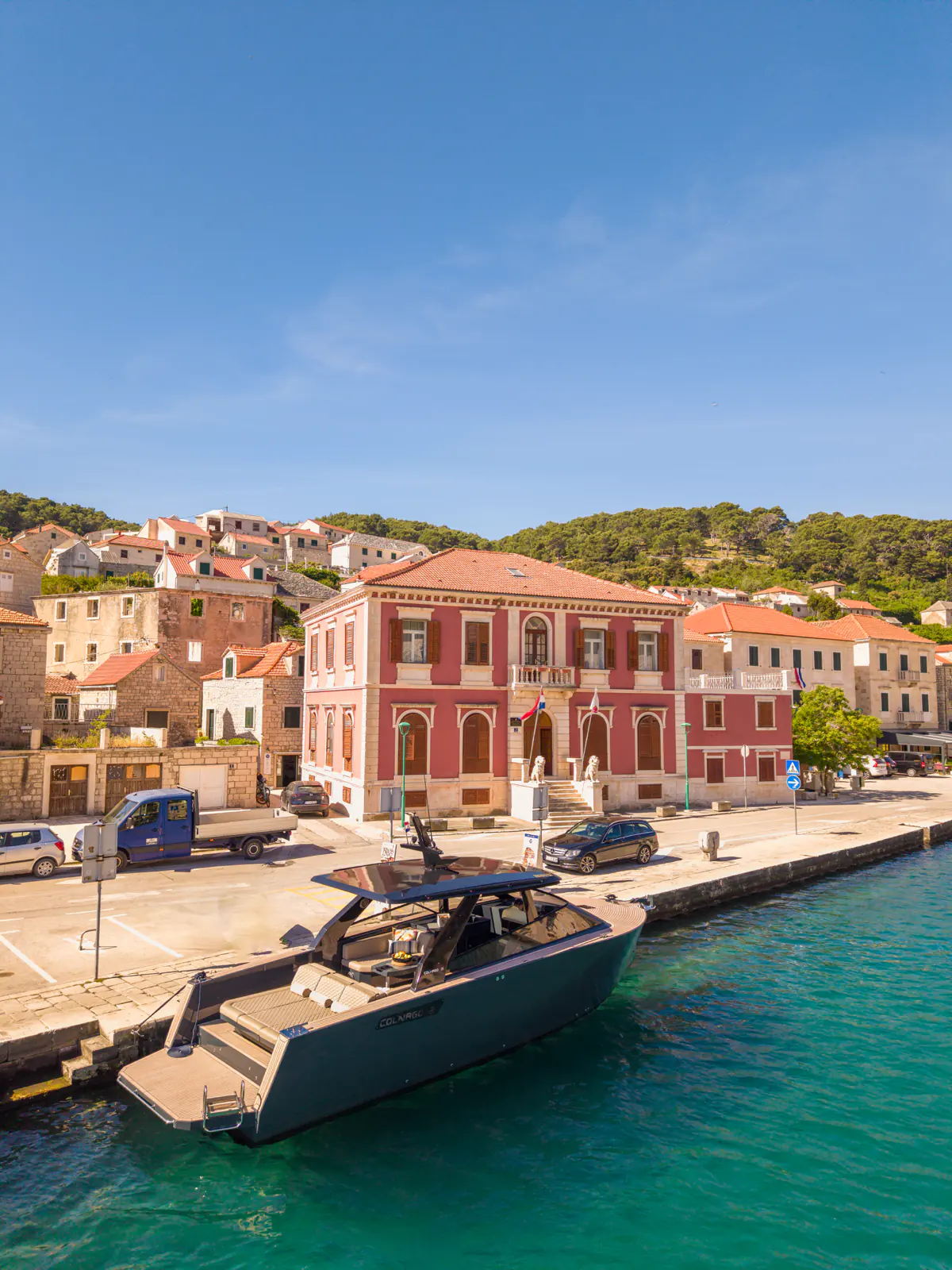
Take time to wander the lanes behind the harbour, where Renaissance palaces and fortified towers stand among ordinary stone houses – and look at the stone itself, which seems to glow in the evening light.
Milna: the sailors' harbour
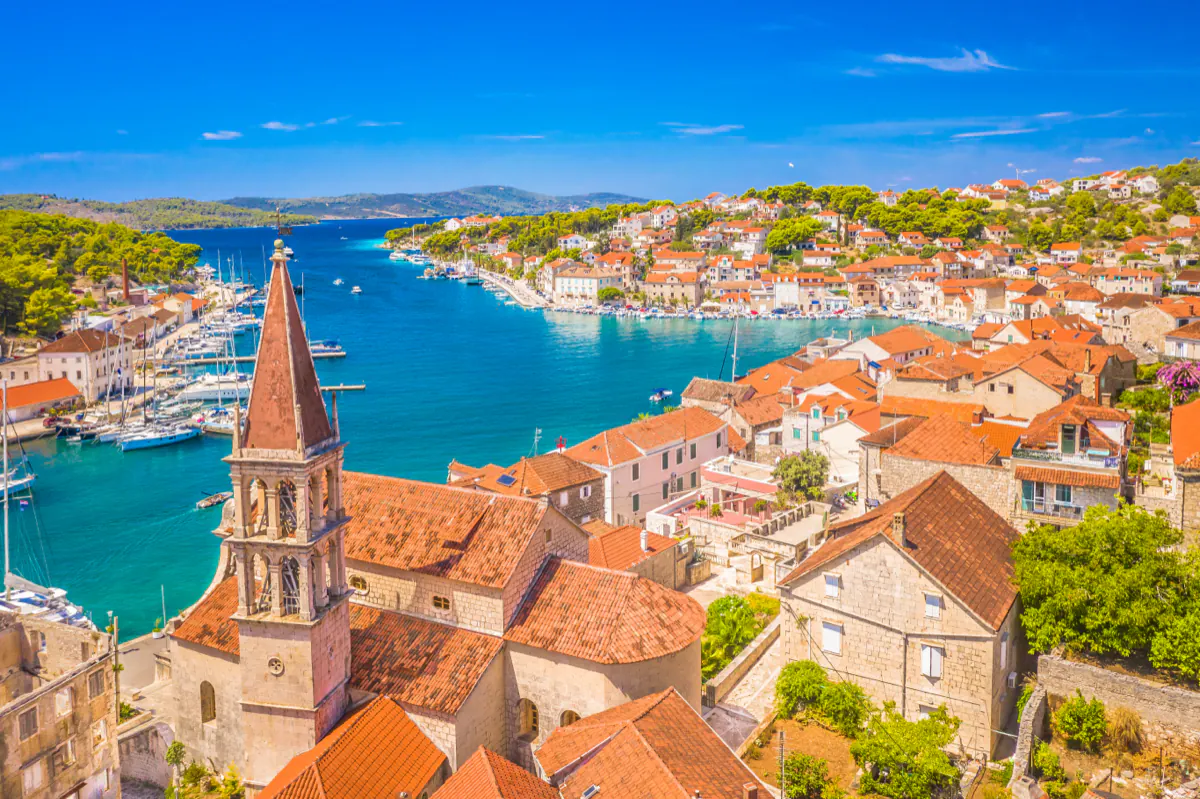
On the west coast, facing Šolta, Milna lies in one of the most sheltered natural harbours in Dalmatia. It has long been a favourite of sailors, with a marina, waterfront restaurants and a baroque church above the quay. Just outside the town, the bays of Lučice and Stipanska are among the most beautiful anchorages near Split – see our guide to the most beautiful bays near Split.
Splitska, Postira and Škrip
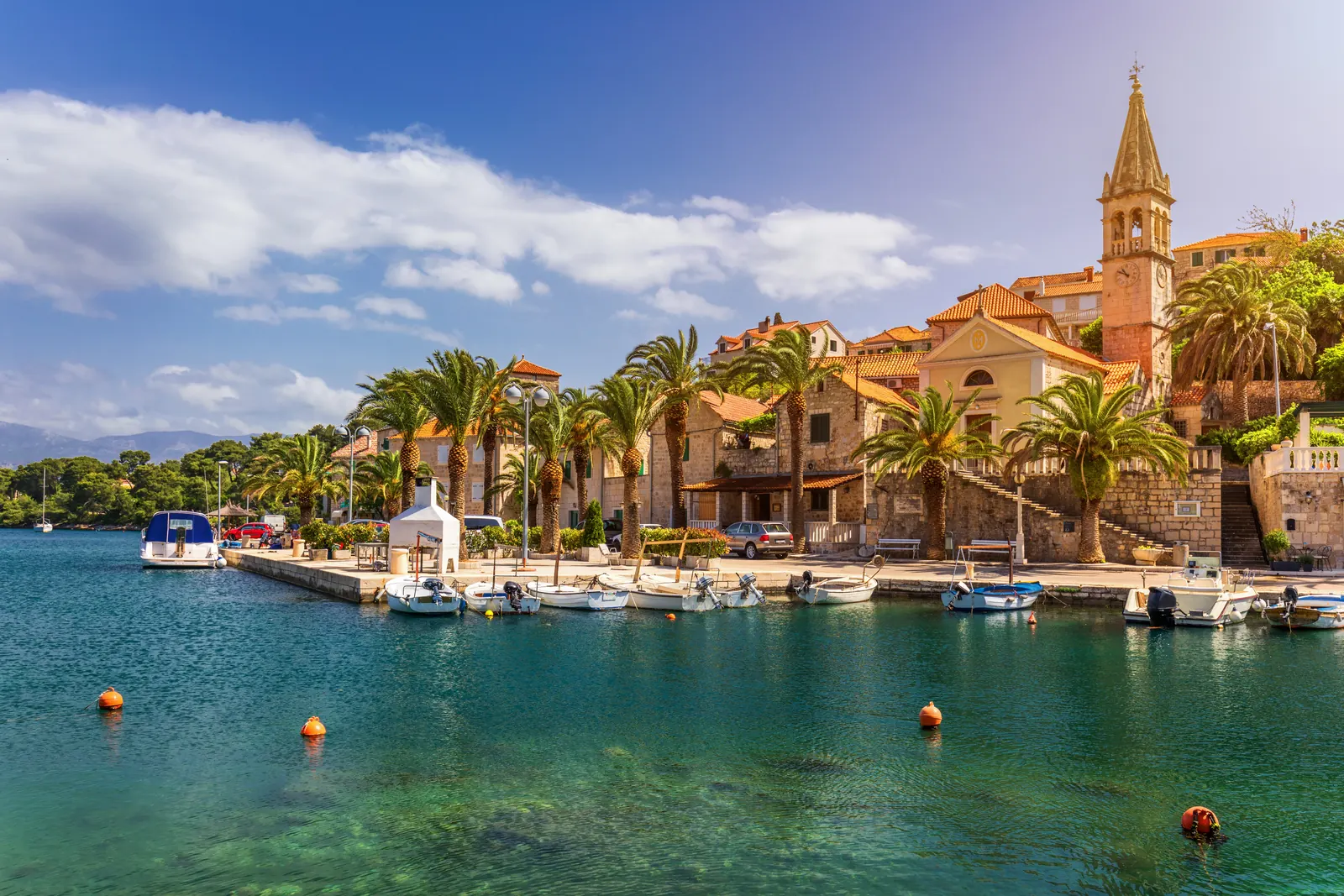
The north coast between Supetar and Pučišća is a string of small harbour villages. Splitska, where the Romans once shipped Brač stone to the mainland, has a tiny harbour lined with fishing boats. Postira is a lively fishing village with a long waterfront, and nearby Lovrečina is one of the few sandy beaches on the island.
Just inland, Škrip is the oldest settlement on Brač, with remains of ancient walls and the Museum of Brač in a fortified tower – a short detour for anyone interested in the island's long history.
The best beaches and bays on Brač
Zlatni Rat, Bol: the famous pebble spit, best early or late in the day.
Lovrečina, north coast: a shallow sandy bay, good for children.
Lučice and Stipanska, west coast: deep, sheltered bays near Milna with turquoise water.
Bobovišća na Moru: a peaceful inlet with a tiny village at its end.
The south coast between Bol and Milna: remote coves below steep slopes, most of them reachable only by boat.
The quietest beaches on Brač have no road at all. They are the coves we look for on our boat days, when the famous spots are busy.
Brač by boat: the south coast coves
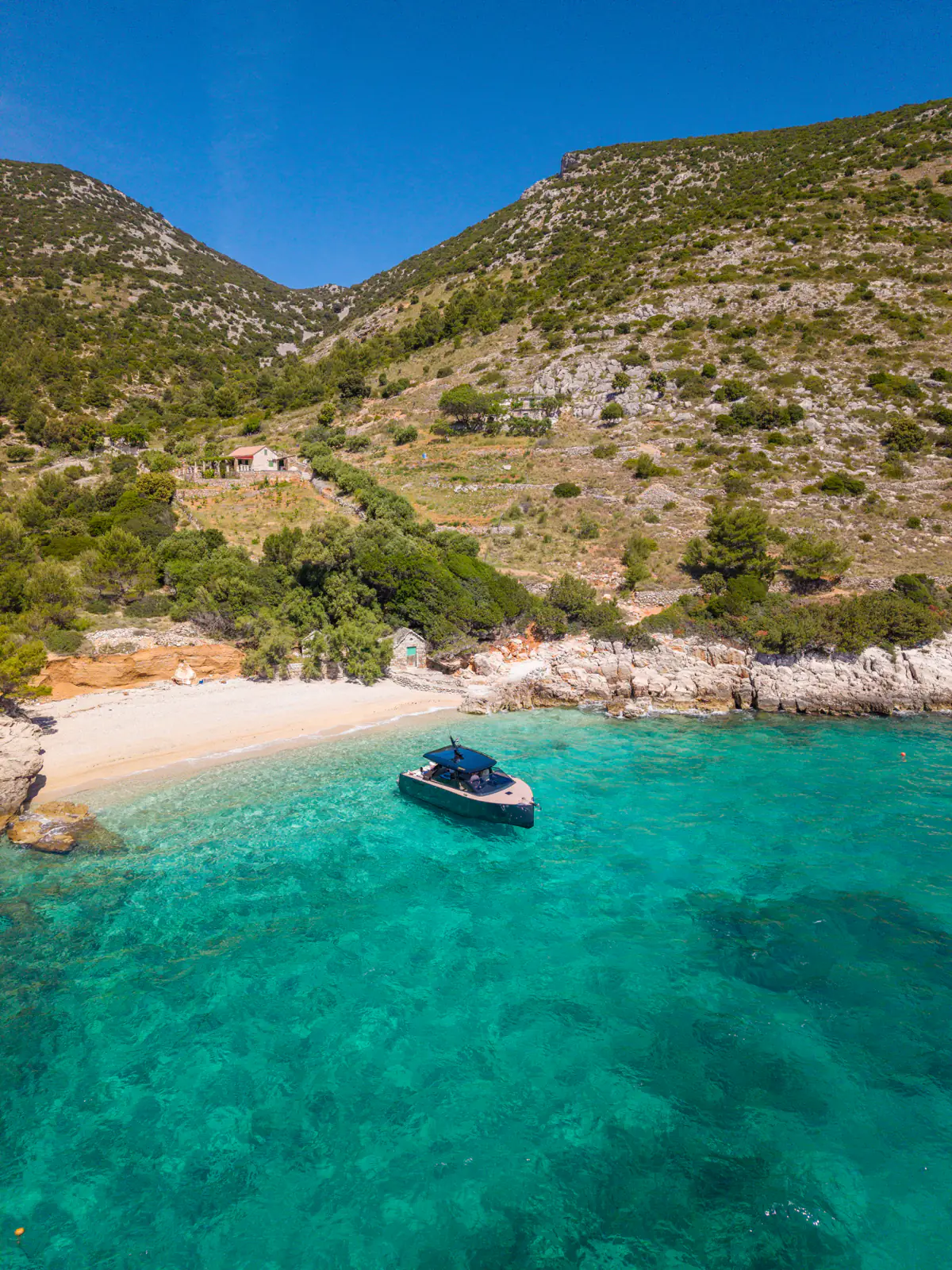
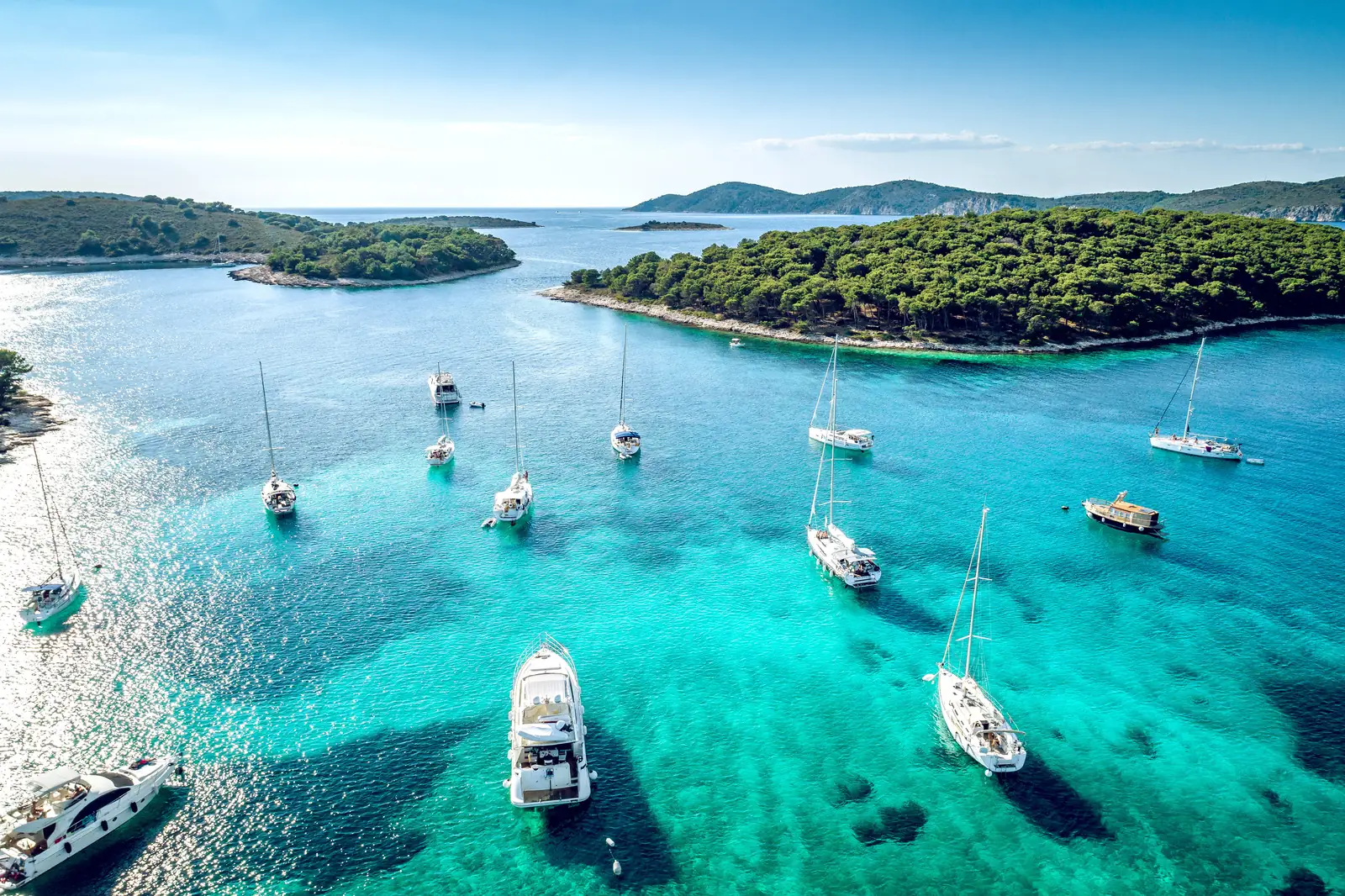
Between Bol and Milna, the south coast of Brač is almost empty: steep slopes, dry-stone terraces, a few stone cottages and one turquoise cove after another. There is hardly any road access, which is why the water is so clear and the beaches so quiet – even in August.
A day along this coast is one of the most relaxing days at sea in Dalmatia: swim in a cove of your own, snorkel along the rocks, have lunch on board or in a small konoba, and finish with a sunset view across to Hvar.
Every Bokun charter includes a professional local skipper and a hostess, fuel for the whole route, drinks, snacks, towels, snorkelling gear and paddle boards. We start from Split, Brač, Hvar and other harbours, and plan the route around the wind on the day.
Food and wine on Brač
Brač is an island of olive groves, sheep and stone. Its olive oil has its own protected designation, and Brač lamb is prized all over Dalmatia. Try vitalac, a local speciality of lamb grilled on a skewer, lamb or octopus slow-cooked under the peka, and hrapoćuša, a dark walnut cake from the village of Dol. To drink, look for Plavac Mali from the south-facing slopes around Bol and Murvica.
Where to stay on Brač
Bol: for beaches, Zlatni Rat and the liveliest atmosphere.
Supetar: for easy ferry connections and families.
Milna or Pučišća: for peaceful harbour towns and character.
Postira or Sutivan: for quiet villages with good swimming.
Split: many visitors stay on the mainland and visit Brač on a day trip by boat.
Brač or Hvar?
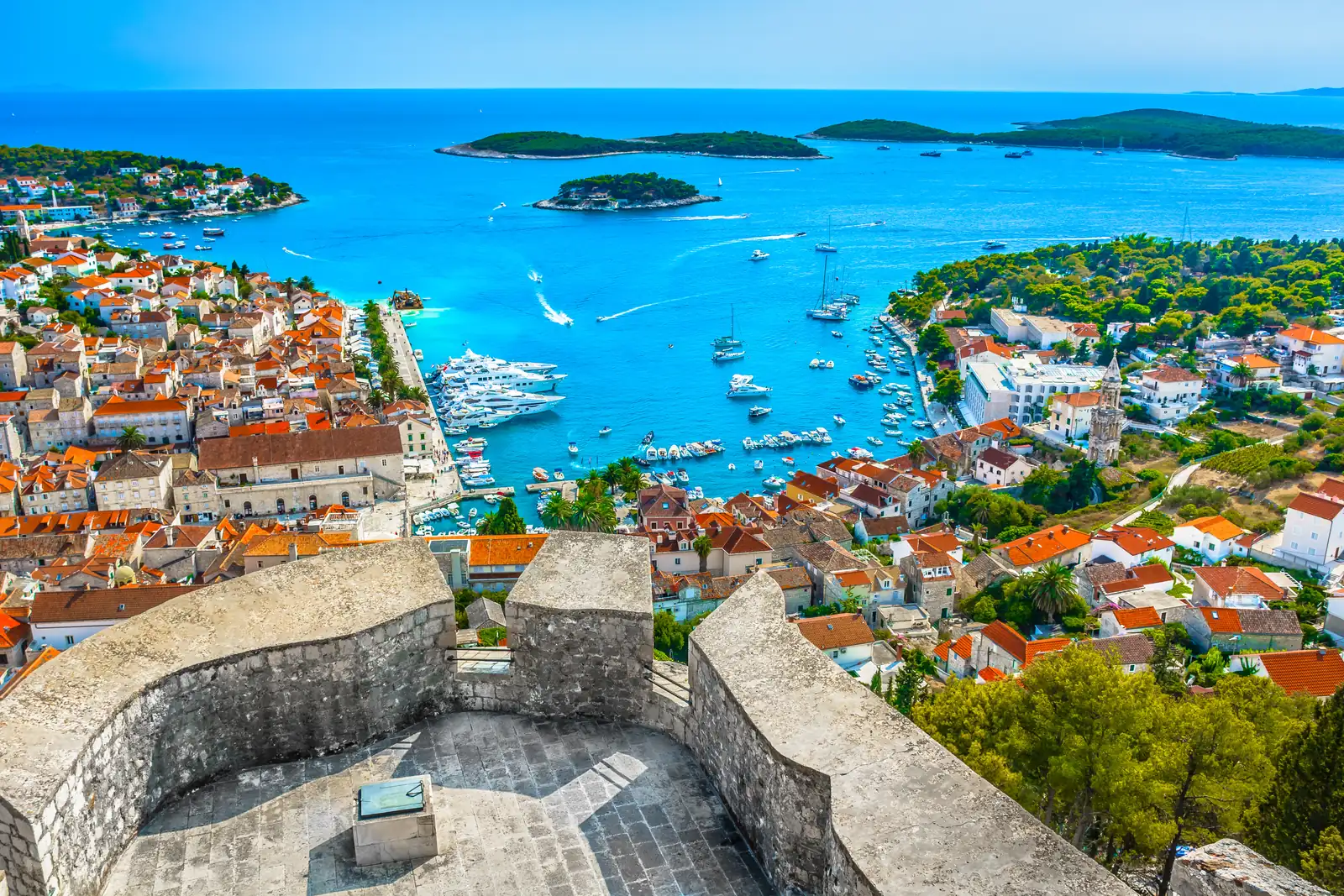
Both islands are close to Split and easy to combine. Hvar has the more glamorous main town, the Pakleni Islands and a lively nightlife. Brač is quieter and more relaxed, with Zlatni Rat, beautiful stone towns and some of the emptiest coves in Dalmatia. Many of our guests do both in one day: Bol and the south coast of Brač in the morning, the Pakleni Islands and Hvar Town in the afternoon. Our Brač & Hvar island discovery tour is built for exactly that.
Frequently asked questions
Is Brač worth visiting?
Yes. Beyond Zlatni Rat, Brač has beautiful stone towns like Pučišća and Milna, the Blaca hermitage, the view from Vidova Gora and quiet bays that are far less crowded than those around Hvar.
How do you get from Split to Brač?
By car ferry to Supetar in about 50 minutes, by catamaran to Bol or Milna, or by private boat in about half an hour to the north coast and an hour to Bol.
Can you visit Brač on a day trip from Split?
Yes. By ferry you can see Supetar and reach Bol by car. By private boat you can combine Zlatni Rat, the south coast coves and a harbour town like Milna or Pučišća in one day.
Where is the best place to stay on Brač?
Bol for beaches and atmosphere, Supetar for ferry connections, and Milna or Pučišća for quiet harbour towns.
What is Brač famous for?
Zlatni Rat beach, the white Brač stone used in Diocletian's Palace, its olive oil and lamb, and Vidova Gora, the highest peak of the Adriatic islands.
Is Brač or Hvar better?
Hvar is livelier and more glamorous; Brač is quieter, with Zlatni Rat and emptier coves. They are close enough to see both on one boat day.
Plan your day on Brač
Tell us your date, your group and where you are staying, and we will plan a day around Brač that suits you – Zlatni Rat, Pučišća, Milna or the quiet coves of the south coast.
You can also explore boat charter on Brač, see our Brač & Hvar heritage tour or browse our yachts.