Best time to visit Croatia: a month-by-month guide to weather, sea and crowds
When to go to Croatia: average temperatures, sea temperatures, rain and crowds for every month, plus the best time for boat trips, island hopping, festivals and lower prices.
By Bokun Charter
8 min read
The best time to visit Croatia is June or September. The sea is warm enough for long swims, the days are sunny and long, and the coast is far calmer than in July and August. May and October are lovely for sightseeing and quieter boat days, while July and August bring the hottest weather, the warmest water – and the biggest crowds.
This guide goes through the year month by month, with average temperatures, sea temperatures and crowds, and explains when to go for island hopping, boat trips, festivals and lower prices. We run private boat days along the Dalmatian coast from May to October, so we see the sea change through the season every year.
The short answer
Best overall: June and September – warm sea, sunny days, fewer people.
Warmest sea and liveliest atmosphere: July and August, when the water reaches around 25 °C.
Best for sightseeing and walking: May and early October, when it is warm but not hot.
Best for boat trips and island hopping: June to September, with calm mornings and warm water for swimming stops.
Cheapest: April, May and October, outside school holidays.
Quietest: November to March – but many island restaurants, hotels and boat services close for the winter.
Croatia month by month at a glance
Approximate averages for Split and central Dalmatia. The south around Dubrovnik is slightly warmer, the north and inland slightly cooler.
| Month | Daytime high | Sea temperature | Rainy days | Crowds | Boat days |
|---|---|---|---|---|---|
| January | 11 °C | 15 °C | 11 | Very low | Off season |
| February | 12 °C | 14 °C | 10 | Very low | Off season |
| March | 15 °C | 14 °C | 10 | Low | Off season |
| April | 18 °C | 15 °C | 10 | Low | Sightseeing, cool water |
| May | 23 °C | 18 °C | 9 | Moderate | Good, refreshing swims |
| June | 27 °C | 22 °C | 7 | Busy | Excellent |
| July | 30 °C | 25 °C | 4 | Very busy | Excellent, start early |
| August | 30 °C | 25 °C | 5 | Very busy | Excellent, start early |
| September | 26 °C | 23 °C | 7 | Busy | Excellent |
| October | 21 °C | 20 °C | 9 | Moderate | Good, weather permitting |
| November | 16 °C | 18 °C | 11 | Low | Off season |
| December | 12 °C | 15 °C | 12 | Very low | Off season |
April and May: spring on the coast
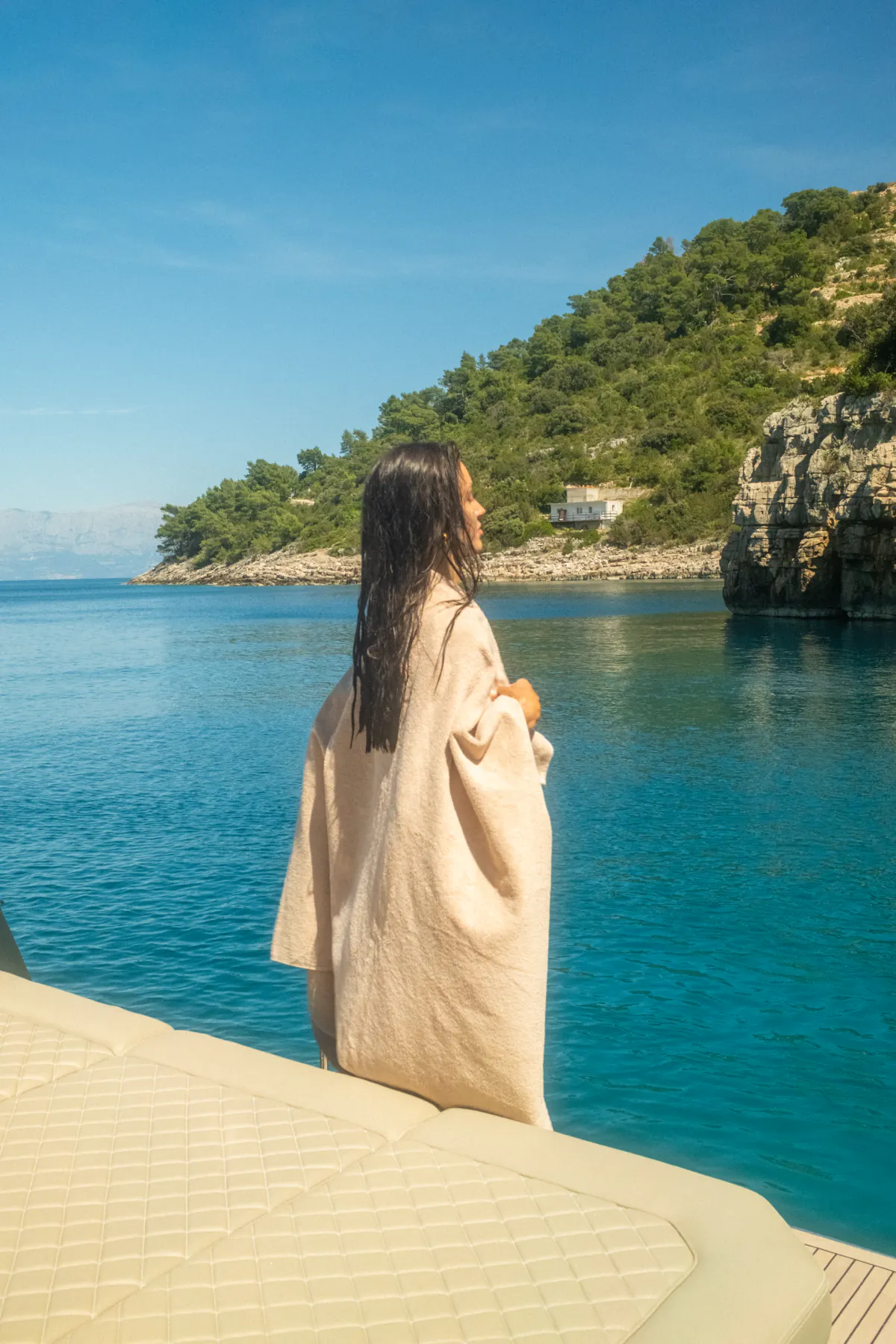
Spring is when Dalmatia wakes up. In April the old towns of Split, Trogir and Dubrovnik are pleasantly quiet and perfect for walking, though the sea is still cool and some island restaurants have not opened yet. By May, days are warm, the hills are green and full of wild flowers, and most hotels, beach bars and boat services are running.
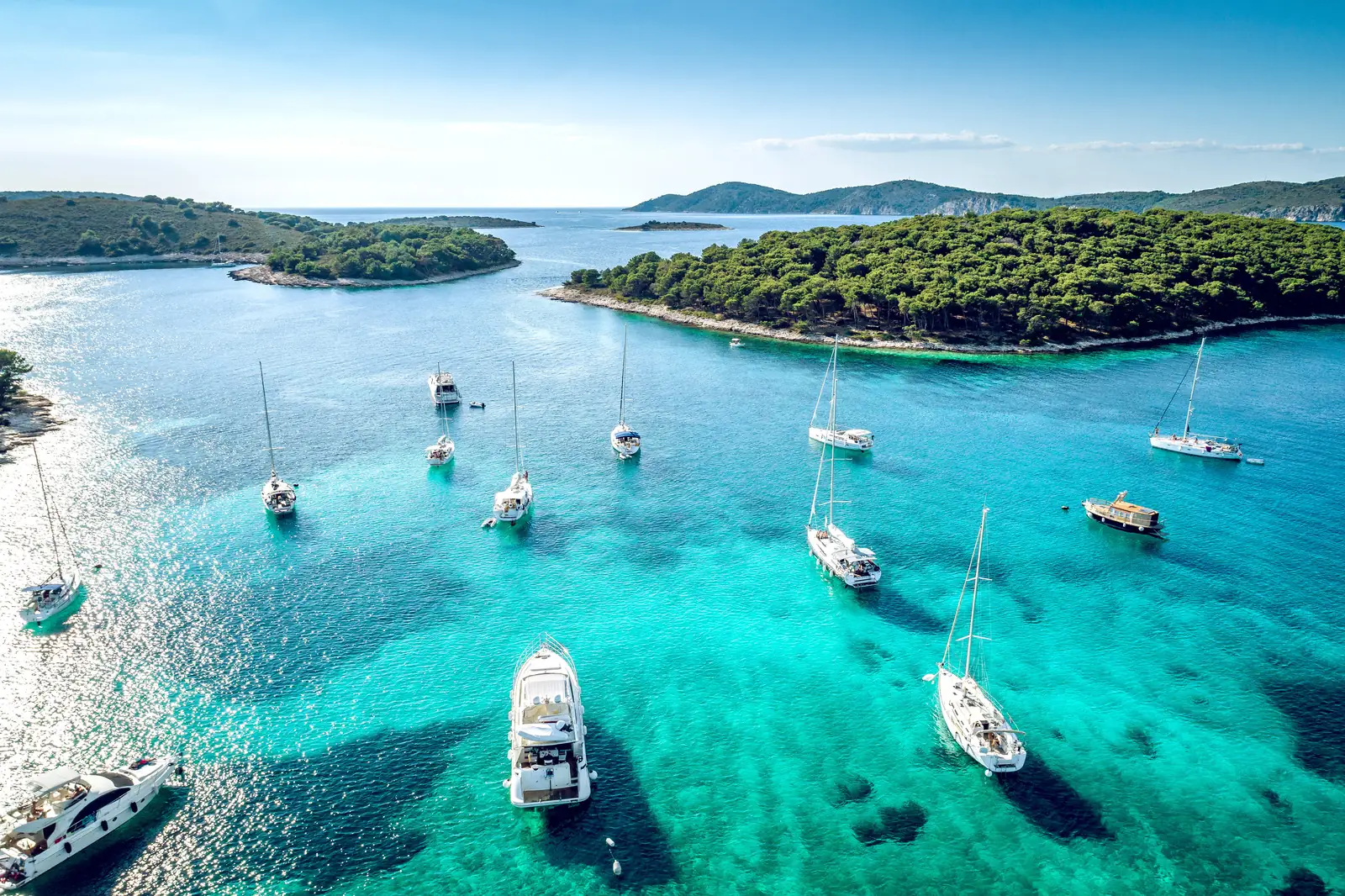
The sea in May is around 18 °C – refreshing rather than warm, but clearer than at any other time of year. It is a beautiful month for a private boat day with a few short swims, lunch in a konoba and empty bays. The photo above was taken on one of our boat days in May.
May is also the start of our season. Many guests like it for exactly that reason: the islands feel like they belong to you, and you can still choose almost any date.
June: the best month for most visitors
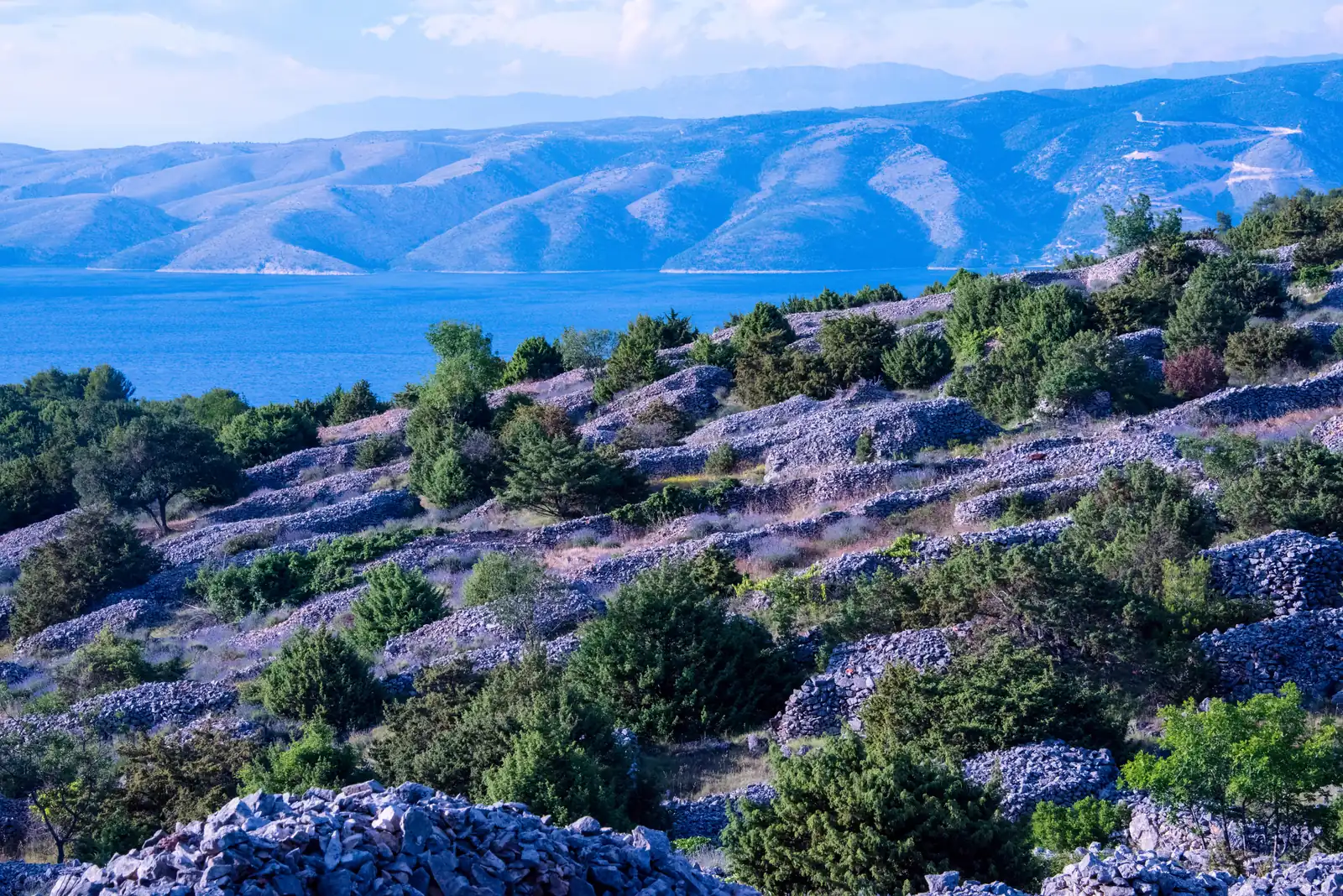
If you can choose only one month, choose June. The sea warms up to around 22 °C, the days are the longest of the year, and the coast has the energy of summer without the full crush of July and August. Late June is also when the lavender blooms on Hvar.
School holidays in most countries have not yet started, so hotels and boats are easier to book, and the most famous spots – the Blue Lagoon, the Pakleni Islands, Zlatni Rat – are busy but not overwhelming. It is the perfect month for island hopping.
July and August: peak summer
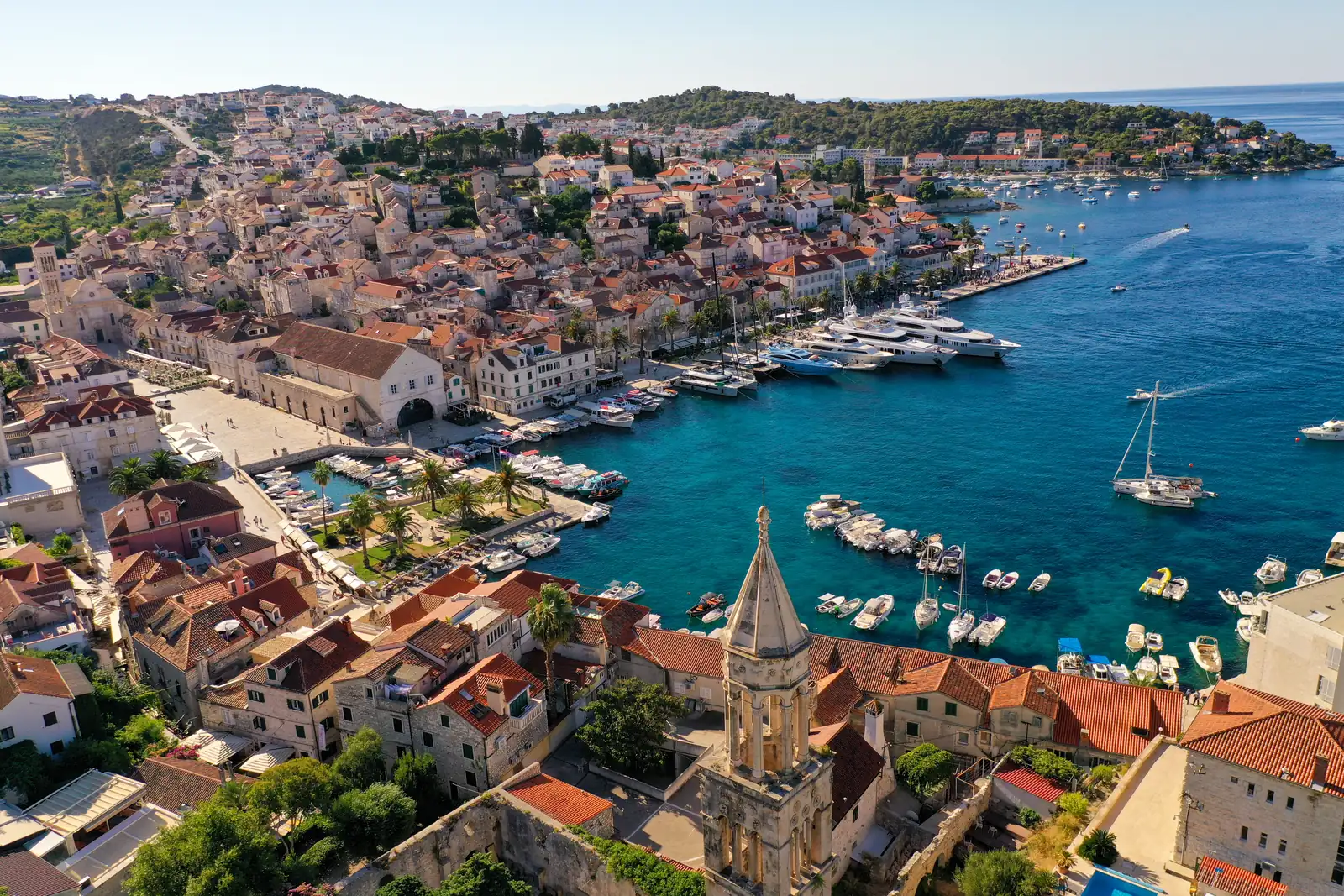
July and August are the hottest months, with daytime highs around 30 °C and the sea at about 25 °C. The evenings are long and warm, the festivals are in full swing and the nightlife in Hvar, Split and Novalja is at its peak. If you want guaranteed sunshine and the warmest water, this is your time.
The downside is the crowds. Ferries and catamarans are full, popular beaches fill up by late morning, and prices are at their highest. The way around it is timing: start early, visit the famous bays before the tour boats arrive, and spend the middle of the day somewhere quiet. With a private boat, your skipper can do exactly that – and in August it makes the biggest difference of all.
September: the locals' favourite
Ask anyone who lives on the Dalmatian coast and many will say September is the best month of all. The sea is still warm after the long summer, around 23 °C, the air is a comfortable 25 °C or so, and the crowds thin out quickly once the school holidays end.

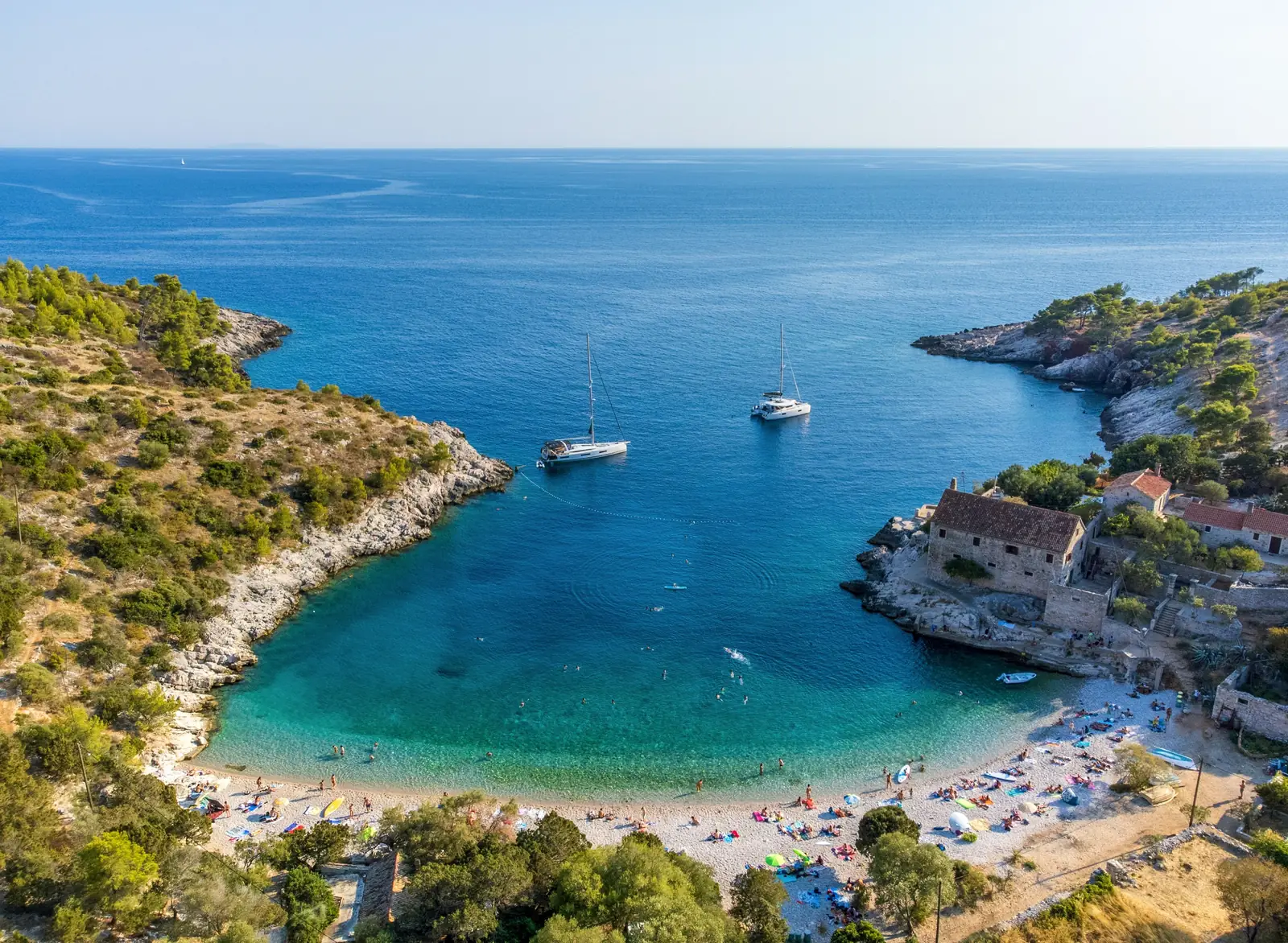
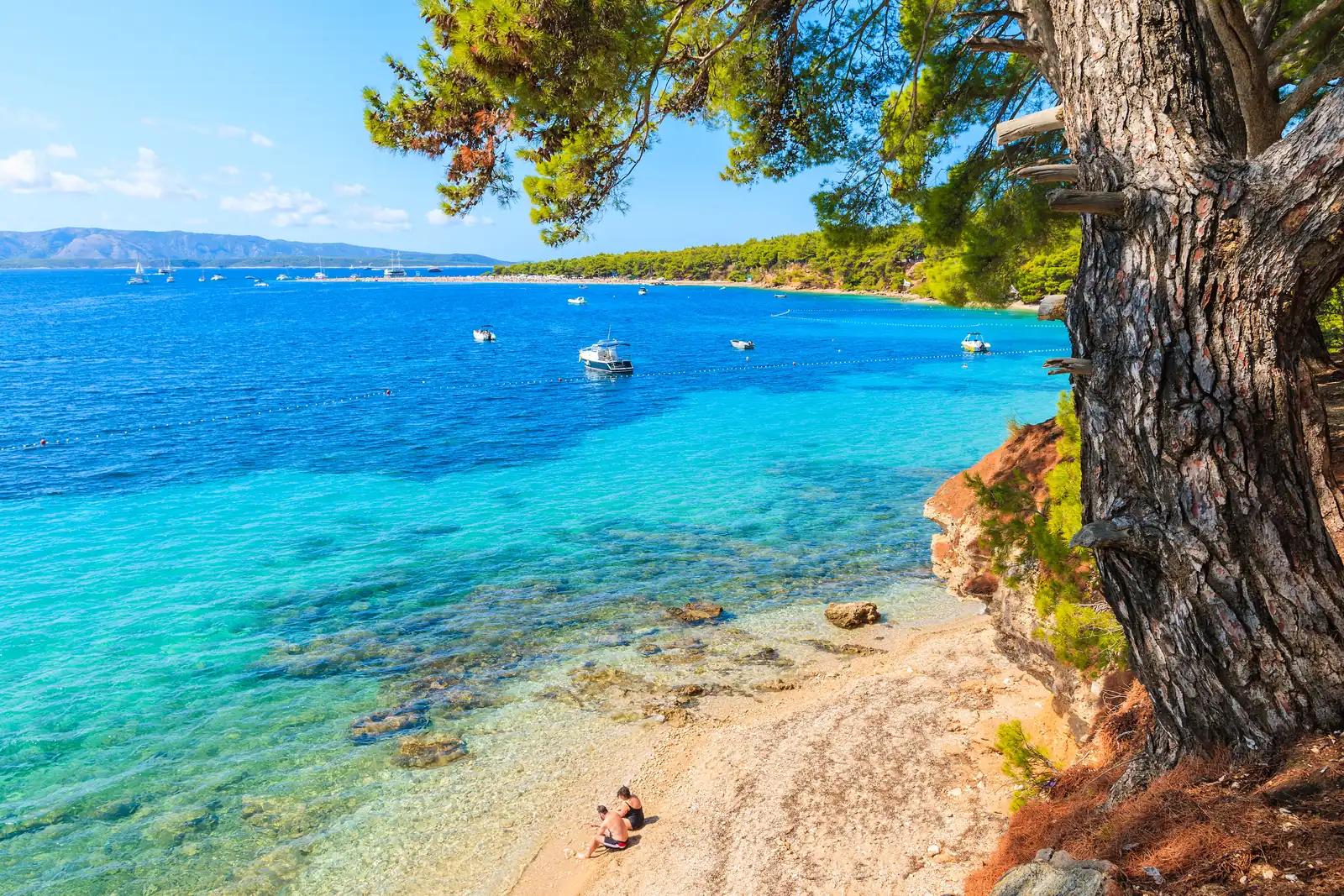
It is also grape-harvest season, and many families on the islands are busy in their vineyards. September is ideal for couples, for boat days with long swims, and for anyone who wants summer conditions without summer crowds.
October: the last swims of the year
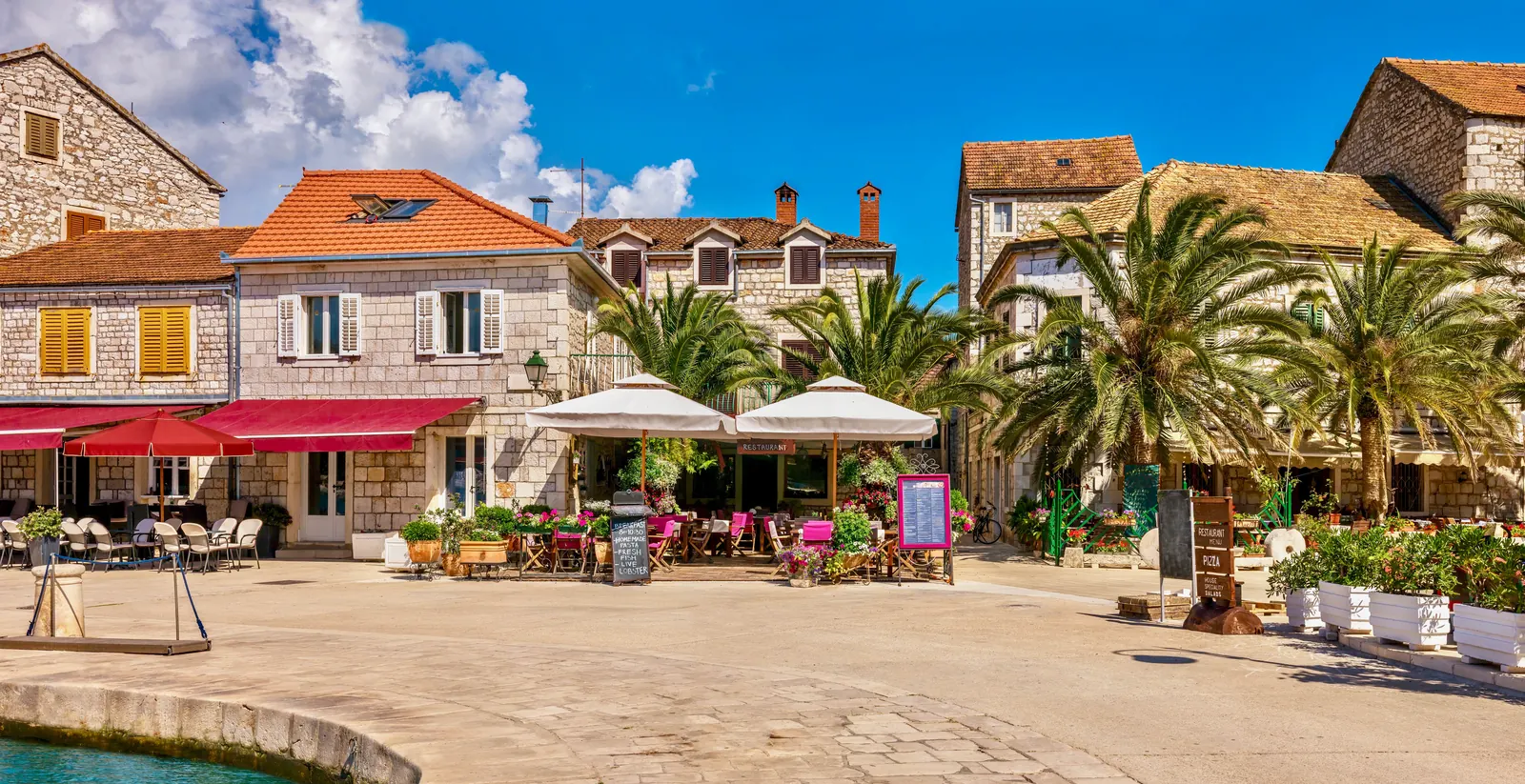
Early October can feel like a gentler September: around 21 °C, the sea still about 20 °C and the towns relaxed. The weather becomes less predictable as the month goes on, with more days of wind and rain, and from mid-October many beach bars and island restaurants begin to close.
For boat days, the first half of October is often excellent – calm, clear and empty. Plan with a little flexibility, and your skipper will pick the right day.
November to March: winter in Croatia
Winter on the coast is mild – rarely below freezing in Split or Dubrovnik – but it is the quiet season. Ferry timetables are reduced, many island hotels and restaurants close, and the bura, a cold north-easterly wind, can blow hard for days.
It is a good time for city breaks: Split's Diocletian's Palace, Dubrovnik's walls without the queues, and Advent markets in December. For swimming and boat trips, wait until May.
The best time for boat trips and island hopping
For time on the water, June to September is ideal. The sea is warm enough to swim several times a day, mornings are usually calm, and every island restaurant is open. May and the first half of October work beautifully too, with fewer boats in the bays and cooler, clearer water.
In July and August, the secret is to start early. The light is soft, the water glassy and the famous spots still empty; by the time the tour boats arrive, you are already at your next swim stop. Our guide to the most beautiful bays near Split has ideas for quieter coves.
For the Blue Cave on Biševo, the best light is around midday from June to September, and the cave only opens in calm sea – which is why most visitors plan it for the heart of summer.
Wind and weather on the Adriatic
Three winds shape the weather on the Croatian coast:
Maestral: a pleasant north-westerly sea breeze that picks up on summer afternoons. Mornings are typically calm, which is why boat days start early.
Bura: a cold, gusty north-easterly that blows from the mountains, mostly in winter. It brings clear skies but can stop ferries.
Jugo: a warm, humid south-easterly that brings clouds, rain and waves, more common in spring and autumn.
Summer storms are usually short. On a private boat, your skipper checks the forecast every morning and chooses the sheltered side of the islands if needed.
Festivals and events through the year
May: the feast of St Domnius, Split's patron saint, on 7 May.
June: lavender season on Hvar and the start of the summer festival season.
July: Ultra Europe, the big electronic music festival in Split, and the opening of the Dubrovnik Summer Festival.
August: the Dubrovnik Summer Festival continues, and the Sinjska alka, a historic knights' tournament, takes place in Sinj in early August.
September and October: grape and olive harvests on the islands.
December: Advent markets in Split, Dubrovnik and Zagreb.
When is Croatia cheapest?
Accommodation and flights are cheapest from November to March and in April, and good value in May and October. Prices rise from mid-June and peak in late July and August. If you are travelling as a family, the last week of June and the first weeks of September are often the best balance between price, weather and crowds.
For private boat days, booking early matters most in July and August, when the best dates go months in advance.
Frequently asked questions
What is the best month to visit Croatia?
June or September. Both have warm sea, long sunny days and fewer people than July and August.
What month has the best weather in Croatia?
July and August are the hottest and sunniest, with the fewest rainy days. June and September are nearly as sunny and more comfortable.
When is the sea warm enough to swim in Croatia?
From late May to early October. The sea is around 22 °C in June and 25 °C in July and August, and stays above 20 °C into early October.
What is the cheapest time to go to Croatia?
Outside the summer season – April, May and October offer the best value while most services are still open.
Is Croatia too crowded in August?
The famous places are busy, but you can avoid the worst by starting early, staying in quieter towns and exploring by private boat.
How many days should I spend in Croatia?
A week is a good minimum for the coast: a few days in Split or Dubrovnik, plus time on the islands. With ten to fourteen days you can see both regions and several islands.
Plan your days at sea
Tell us when you are travelling and where you are staying, and we will suggest the best days and routes for the season – with skipper, hostess, fuel and drinks included.
You can also browse our yachts, see our private boat tours or read about what is included in a private boat charter.